 MassBioEd
 Educators
Curriculum
BioTeach’s curricula draw on the creativity, experience, and knowledge of scientists, higher education professionals, and a network of teachers. For each topic, you will find student materials, teacher materials, student-centered investigations, and more.
Curriculum resources are free of charge, but registration is required. View our library of curricula below.
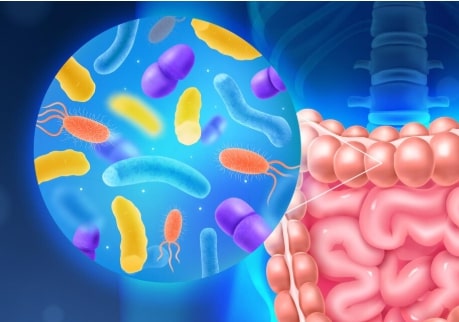
Careers in Action – Food Allergies & Gut Microbiome | Grades 6-8
Three-day case study exploring the link between food allergies and the gut microbiome, where students analyze real data and role-play science professionals.
Careers in Action – The Plastics Problem | Grades 6-8
A three-day case study exploring the environmental impact of single-use plastics and the development of bioplastics, where students analyze real data and role-play science professionals.

BioScann – HIV Drug Development | Grades 6-9
Students analyze real data and role-play science professionals as they follow a patient through a clinical trial and explore the drug development process. 3-day study with optional pre-work.

Nature of Science Activities | Grades 6-8
These activities help students think like scientists by practicing making observations, testing predictions, and using evidence to support their conclusions.

Human Body: Investigating Starch Digestion | Grades 6-8
Students explore the role of saliva in digestion by learning about its function and testing how it breaks down starch on agar using iodine observations.
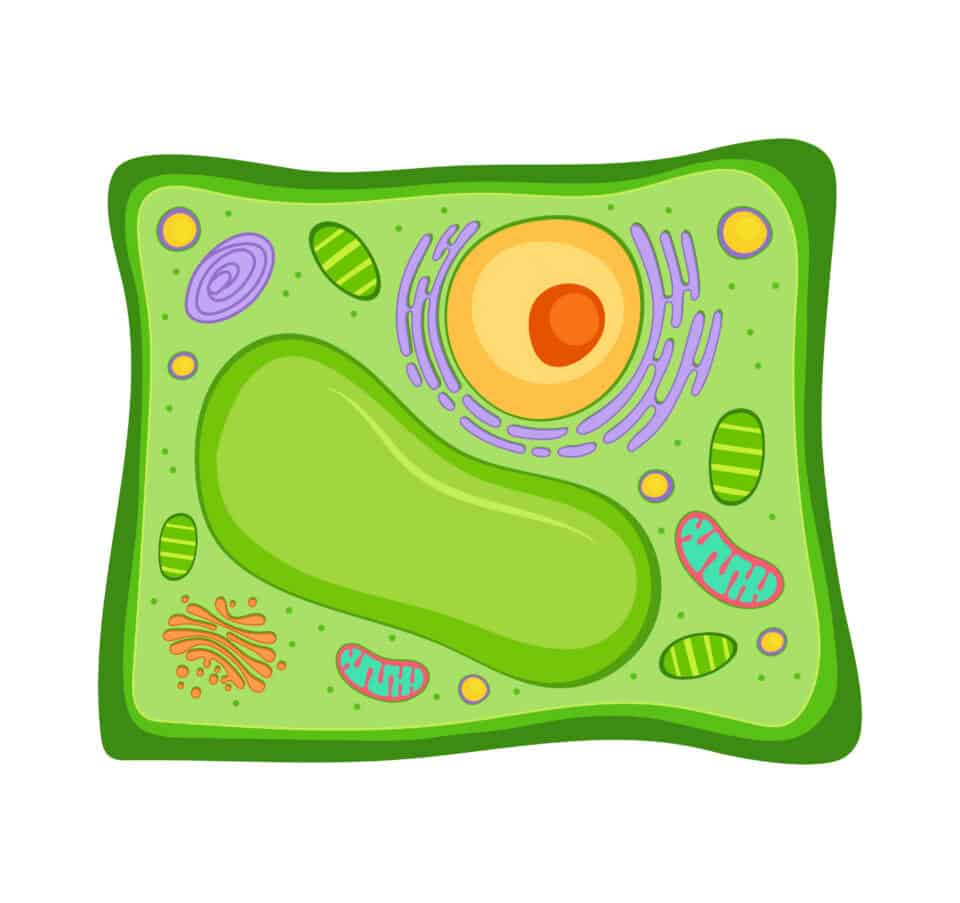
Cells: Exploring the Central Vacuole | Grades 6-8
Students examine two plant cell models to develop an understanding of the vacuole’s structure and function.

Seed Dispersal | Grades 6-8
Students will become familiar with multiple mechanisms for seed dispersal and design and test a prototype of a seed for wind and water dispersal.
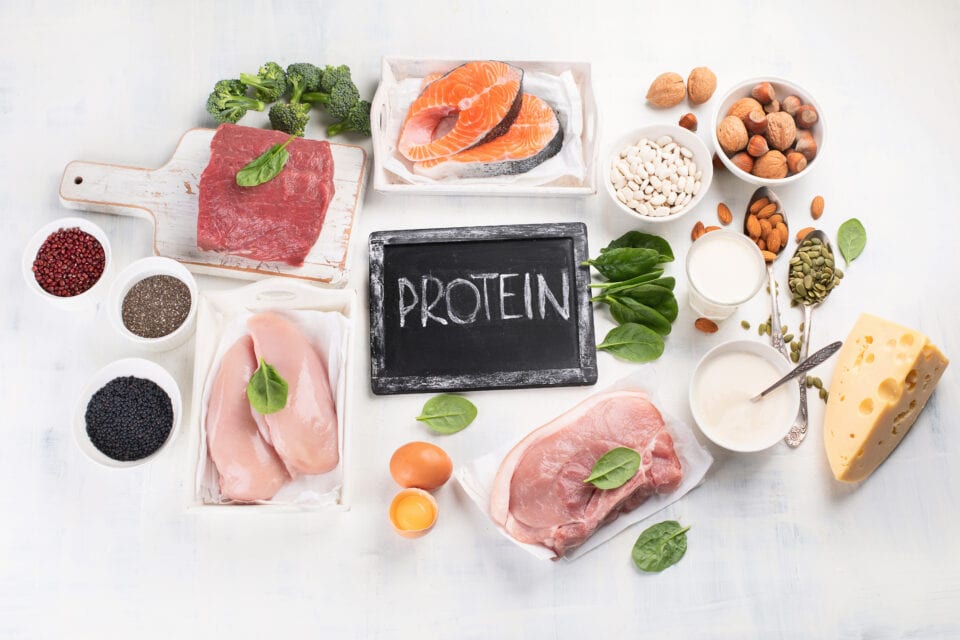
Macromolecules: Protein Lab | Grades 6-8
This lesson explores the macromolecules in the foods we eat and how cells use them to grow and survive. Student groups test food samples for protein, then share and compare their results.

Floating Disks: Photosynthesis Lab | Grades 6-8
The lesson uses spinach leaf disks to investigate how light affects the rate of photosynthesis.
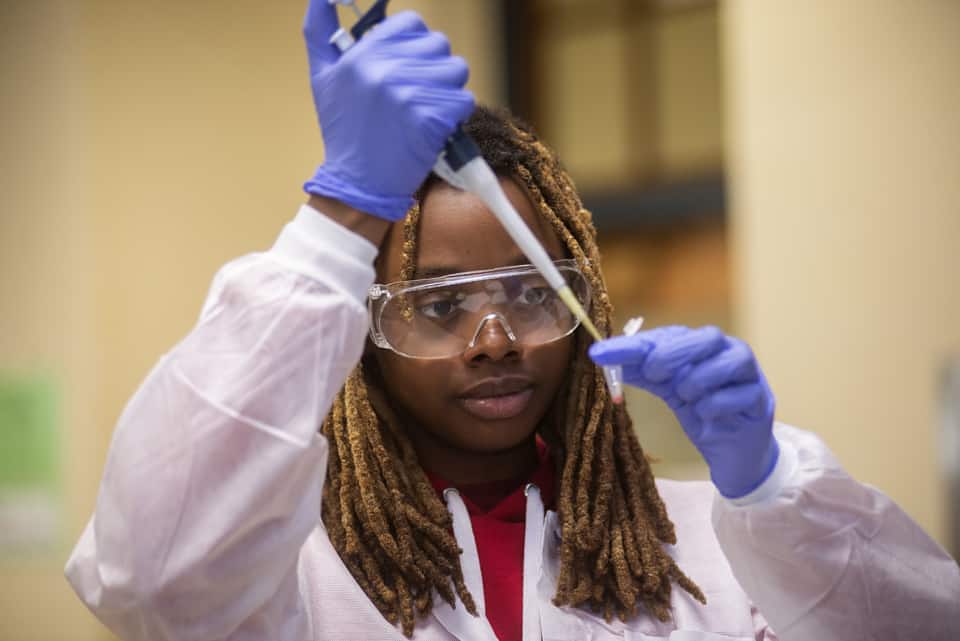
Biotech Fundamentals: Pipette Practice | Grades 6-12
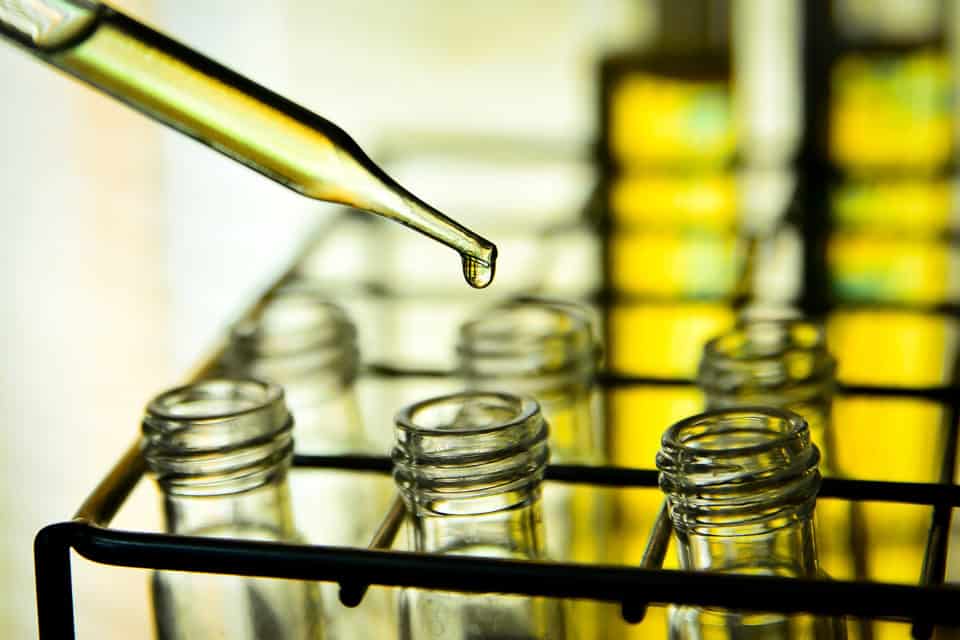
A series of activities to better understand micro-measurement and to improve student pipetting technique.
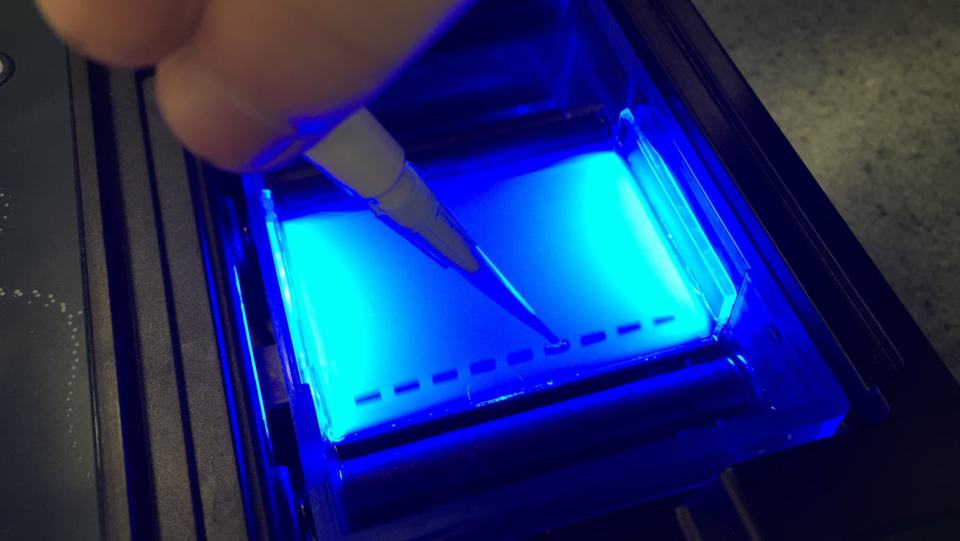
Biotech Fundamentals: Introduction to Gel Electrophoresis | Grades 6-12
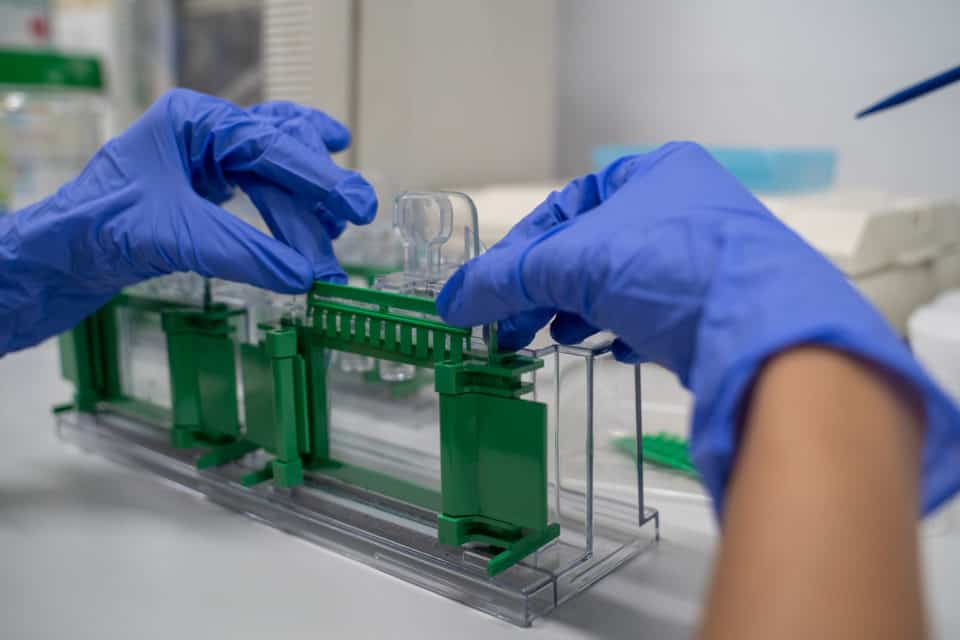
Resources to introduce gel electrophoresis including: background information, protocols, and troubleshooting for making and running gels.

Biotech Fundamentals: PCR Guide & Primer Design | Grades 9-12
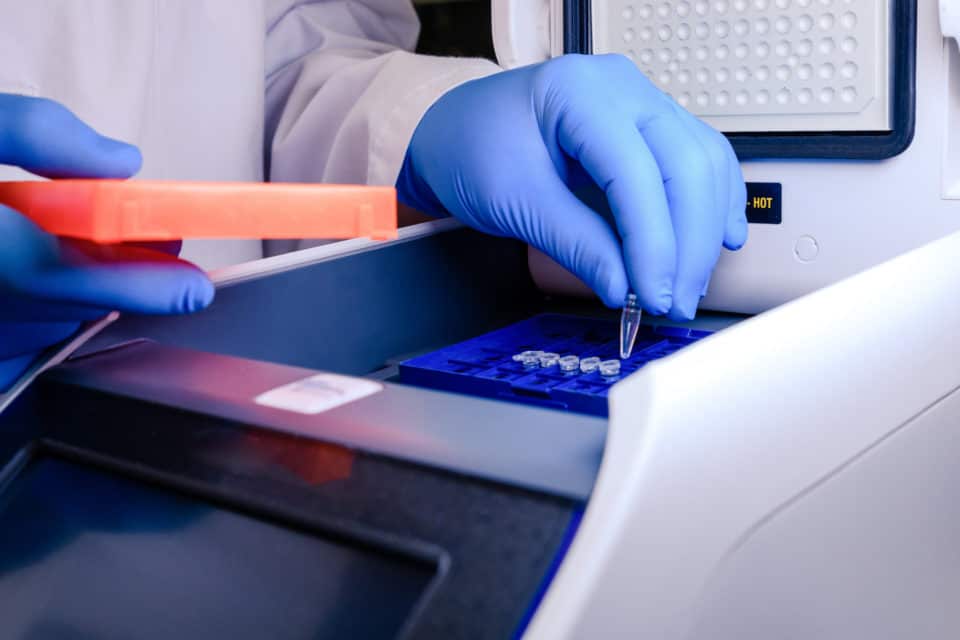
An in-depth look at polymerase chain reaction (PCR) and primer design. Includes background information, protocols and troubleshooting.
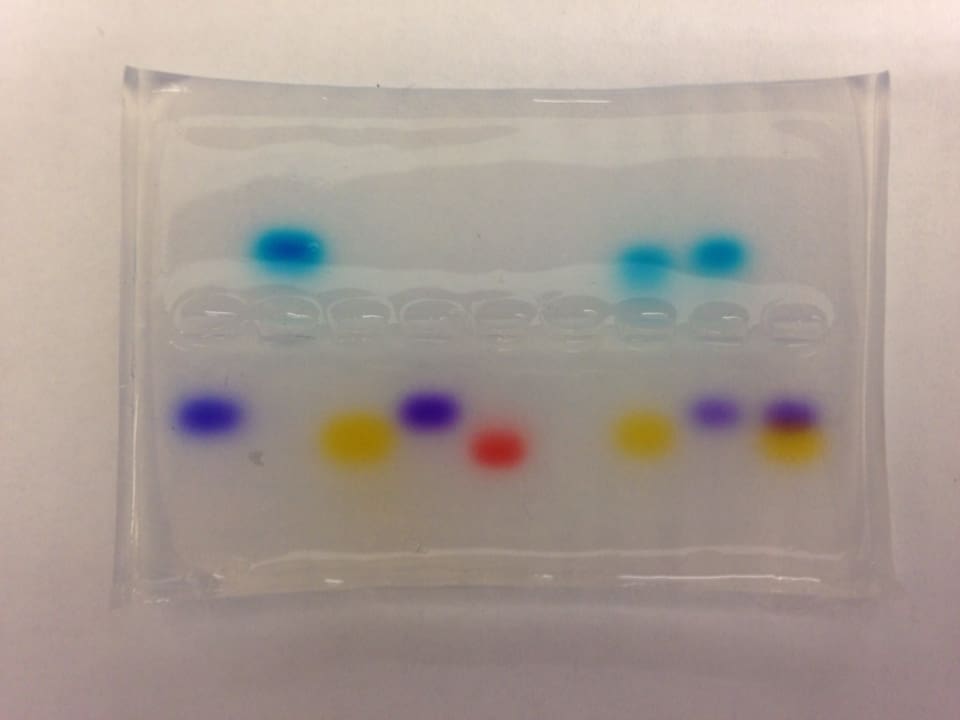
Molecular Rainbow | Grades 6-10
An introduction to gel electrophoresis. Analyze dye samples to identify their charge and relative size. Optional Unknowns.

The Dachshund Dilemma – Dye Lab | Grades 6-8
The Dachshund Dilemma – DNA Lab | Grades 9-10
Use gel electrophoresis to analyze dye samples or DNA fragments from a surprise litter of puppies. Identify the puppies’ father by tracking the inheritance of hair length.

Modeling Molecular Biology | Grades 9-10
Model DNA, RNA, and protein structure and function with MIT Ederton Center Molecular Models. The lessons can be easily adapted for different learning levels, including advanced lessons on DNA and proteins.

Investigating Sickle Cell Disease | Grades 9-12
Students perform gel electrophoresis to analyze DNA fragments that were generated from the hemoglobin gene to determine if an individual carries the mutation for sickle cell disease.
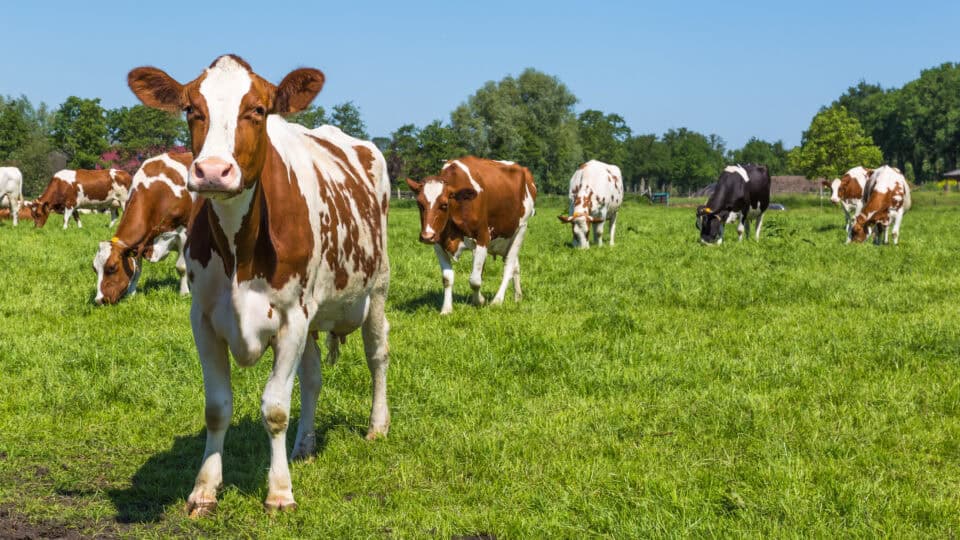
A1/A2 Milk Genetics | Grades 9-12
Students use gel electrophoresis to separate PCR products and confirm the β-casein genotypes of a group of cattle to help a farmer establish an A2 herd.

Burping Yeast | Grades 9-12
Construct a tool to measure cellular respiration in baker’s yeast and investigate the effect of temperature on the rate of respiration—optional student-centered investigations.
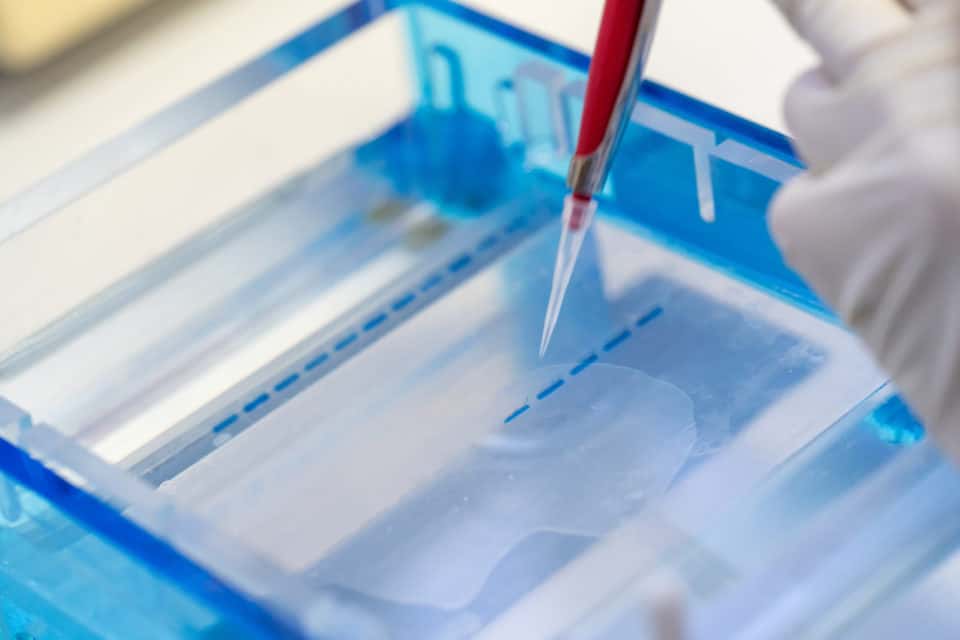
Exploring Antibiotic Resistance | Grades 9-12
Use gel electrophoresis to separate PCR products and confirm if a family has an antibiotic-resistant strain of Streptococcus.